

If you have begun researching luxury custom homes in Melbourne, you have almost certainly encountered the term "project management" dozens of times. Most residential builders list it as a brief, reassuring bullet point tucked between architectural design and turnkey construction. But what does a construction project manager actually do on a day-to-day basis? Is it merely administrative overhead, or is it the single operational engine that determines whether your dream home is delivered on time, on budget, and to immaculate structural standards?
Here is a clear, transparent explanation of what professional construction project management entails, how it safeguards your investment, and why it directly determines how smoothly your custom home build progresses from breaking ground to final handover.
- Pre-Construction Feasibility: Up to 80% of costly site variations are prevented before excavation by stress-testing architectural drawings against geotechnical soil reports and council planning overlays.
- Critical Path Trade Sequencing: A custom build involves over 40 distinct subcontractors and material suppliers. Mismanaging trade arrivals by even three days can cascade into a 4-to-6 week timeline blowout.
- Real-Time Budget Transparency: Active project management tracks provisional sums, prime cost items, and client variations as they happen, eliminating "invoice shock" at completion.
- Progressive Quality Control: Defects caught during the structural frame and rough-in stages cost hundreds of dollars to correct; discovering them after plaster and bespoke joinery are installed costs tens of thousands.
- 1. Pre-Construction: Planning Permits, Engineering & Architectural Vetting
- 2. Trade Sequencing & Critical Path Logistics: Keeping Moving Parts in Sync
- 3. Single Point of Accountability: Navigating Unforeseen Site Realities
- 4. Transparent Cost Control: Protecting Your Build Budget from Drift
- 5. Stage-by-Stage Quality Control: Checking Standards Throughout, Not Just at Handover
- 6. Kris's Builder Notes: The Reality of Owner-Managed Builds
- 7. Integrated Builder-PM vs. Independent Third-Party Consultants
- 8. Frequently Asked Questions (FAQ)
1. Pre-Construction: Planning Permits, Engineering & Architectural Vetting
A common misconception among first-time homebuilders is that project management begins when the excavator arrives on site. In reality, the most financially critical work takes place months before a single brick is laid or a foundation trench is dug.
During pre-construction, an experienced project manager bridges the communication divide between your architect, structural engineers, land surveyor, and council building certifiers. Architects design for aesthetics, lifestyle, and spatial beauty; engineers design for structural load capacity; but the project manager evaluates documentation through the lens of buildability, sequencing, and actual trade costs.
By scrutinising documentation early, your project manager identifies potential clashes—such as plumbing drops conflicting with engineered steel beams, or underground drainage alignments conflicting with council easement covenants. Resolving these discrepancies on paper costs nothing. Discovering them mid-pour on a concrete slab leads to stop-work orders, redesign fees, and extensive delays.
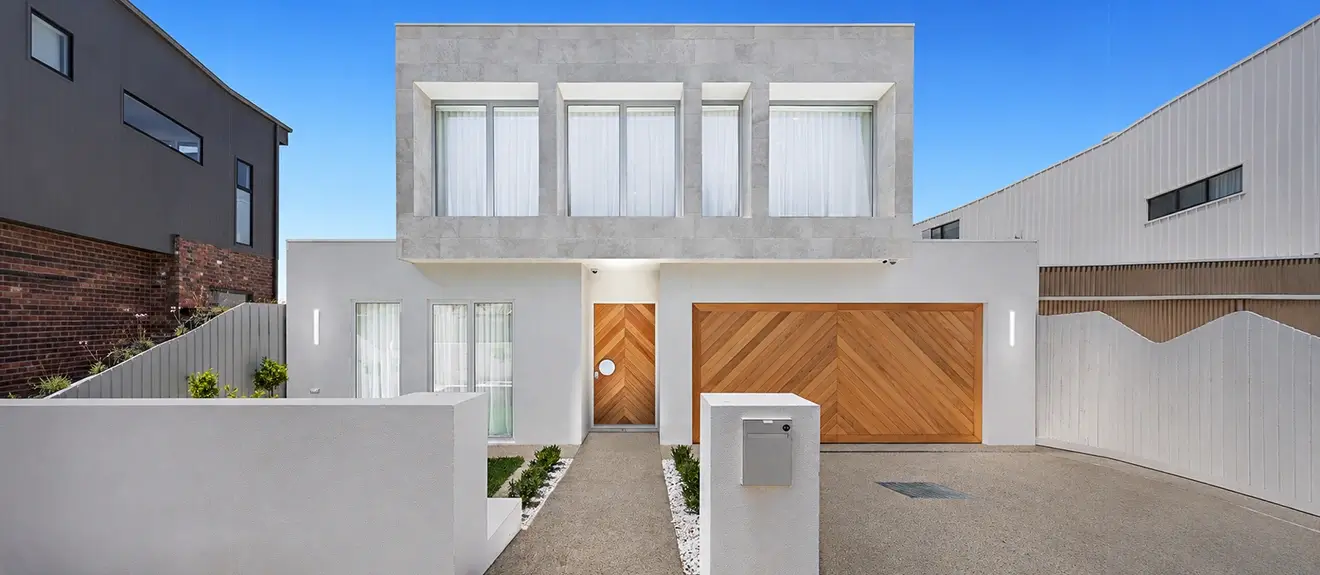
2. Trade Sequencing & Critical Path Logistics: Keeping Moving Parts in Sync
Unlike high-volume tract housing where repetitive layouts allow cookie-cutter scheduling, a custom architectural build is a complex, bespoke manufacturing process assembled outdoors in fluctuating weather conditions. It requires coordinating dozens of specialised trades: concreters, framers, bricklayers, roofers, plumbers, electricians, heating and cooling specialists, plasterers, waterproofers, stonemasons, and custom joiners.
Every trade has rigid structural prerequisites:
- Plumbers must install under-slab drainage and penetrations before the concrete pour.
- Electricians and smart-home technicians require finalized cabinetry, lighting layouts, and wall framing before roughing in cables.
- Waterproofers must sign off on screeds and falls before tilers can lay custom porcelain slabs.
- Custom window manufacturers often require 12-to-16-week fabrication lead times based on exact site framing dimensions.
If a single trade falls behind or fails to appear, the subsequent trades cannot proceed. Without proactive critical-path scheduling, trades bump into each other, site productivity collapses, and holding costs escalate. A dedicated project manager anticipates supply lead times, locks in trade commitments months ahead, and dynamically adjusts schedules to keep progress moving seamlessly.
3. Single Point of Accountability: Navigating Unforeseen Site Realities
Even on the most meticulously planned luxury builds, unexpected site conditions inevitably emerge: unrecorded underground services, unexpected rock floaters during excavation, severe Melbourne weather patterns, or a supplier discontinuing a specified imported tile.
What separates an enjoyable, successful custom build from an exhausting one is how these hurdles are handled. When you have an integrated construction project management team, you are never left scrambling to arbitrate between a defensive architect, a baffled subcontractor, and an uncompromising building surveyor.
Your project manager acts as your dedicated shield and problem solver. They evaluate the technical constraint on site, formulate practical engineering solutions, assess any cost or timeline ramifications, and present you with clear, actionable options rather than unmanageable problems.
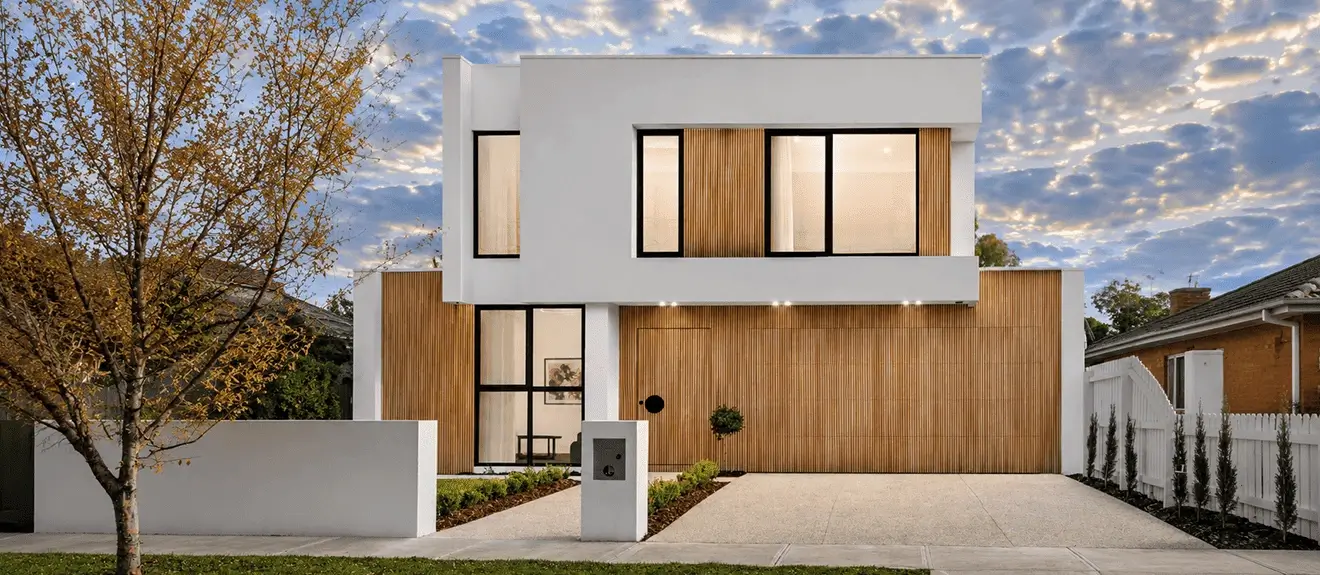
4. Transparent Cost Control: Protecting Your Build Budget from Drift
Budget blowouts on custom homes rarely occur due to a single catastrophic event. Rather, they happen through "scope creep" and unmonitored accumulation: small variation requests, unpriced architectural detail refinements, and poorly managed Provisional Sums (PS) and Prime Cost (PC) allowances.
A skilled project manager protects your financial certainty by:
- Minimising Open Allowances: Ensuring as many selections as possible (fixtures, tapware, appliances, stone slabs) are specified and priced before the major domestic building contract is executed.
- Formal Variation Tracking: Documenting every proposed client upgrade with written price breakdowns, trade adjustment costs, and timeline impacts before physical work begins.
- Progressive Cash-Flow Auditing: Certifying that subcontractor claims align strictly with verified on-site milestone progress, ensuring you never pay ahead of physical completion.
This ongoing transparency ensures you maintain complete control of your finances. You can make informed lifestyle decisions about premium finish upgrades knowing exactly how they influence your overall bottom line.
5. Stage-by-Stage Quality Control: Checking Standards Throughout, Not Just at Handover
In Victoria, mandatory statutory building inspections (slab, frame, waterproofing, and final) are performed by a registered building surveyor. While essential for legal compliance, statutory surveyor checks are minimum regulatory inspections—they are not designed to verify architectural elegance, joinery alignment, or fine craftsmanship.
A builder-led project manager conducts continuous, daily quality audits across every stage of the build:
- Slab & Substructure: Checking vapor barriers, reinforcement steel clearances, and exact set-out dimensions.
- Framing: Verifying stud spacing, timber straightness, lintel bearing points, and window opening tolerances to prevent drywall cracking.
- Pre-Plaster Services: Auditing acoustic batts, pipe lagging, conduit runs, and electrical switch drops before walls are sealed.
- Wet Area Waterproofing: Checking membrane application thicknesses, bond breakers, and ponding test certificates.
- Fixing & Lock-Up: Auditing skirting mitres, shadow-line details, tile falls, and seamless paint finishes.
Catching an out-of-plumb stud while the frame is exposed takes fifteen minutes to correct. Catching it after custom Italian marble tiles have been laid over plasterboard requires thousands of dollars in demolition and rebuild.
6. Kris's Builder Notes: The Reality of Owner-Managed Builds
 Builder Insight & Field Experience
Why Managing Your Own Custom Build Often Doubles Stress and Budget
"Every year, we speak with prospective clients who initially contemplated acting as an 'owner-builder' or hiring subcontractors piecemeal to save margin. What they don't realise is that subcontractors prioritize commercial builders who provide continuous, year-round volume. When an individual owner manages a project, trades push their jobs back, prices include contingency buffers, and liability for trade clashes falls entirely on the owner."
"An experienced builder-led project manager commands trade loyalty, guarantees fixed contractual pricing, and carries comprehensive domestic building insurance (DBI). In a custom build, dedicated project management does not cost you money—it preserves your sanity and protects your equity."
7. Integrated Builder-PM vs. Independent Third-Party Consultants
When planning a custom build, homeowners frequently ask whether they should hire an independent third-party project management consultant or partner with a registered builder who provides end-to-end integrated project management.
While independent consultants can provide advisory oversight, an integrated builder-led model—such as the service provided by Trajcon—offers distinct structural advantages:
- Single Point of Contractual Responsibility: With an integrated builder-PM, there is zero finger-pointing between the manager and the builder. One licensed entity (CDB-U) is legally and commercially accountable for design accuracy, site execution, warranties, and handover.
- Direct Trade Procurement: Trajcon works with an established network of vetted master trades, ensuring superior craftsmanship, competitive pricing, and strict adherence to construction timelines.
- No Dual-Fee Overhead: Independent management consultants often charge 10% to 15% on top of builder margins without carrying actual building licence liabilities. Integrated management eliminates redundant administrative layers.
8. Frequently Asked Questions (FAQ)
Yes. An architect designs your vision and a builder executes structural tasks, but a project manager coordinates the intricate interface between both. They ensure design documentation is buildable before tendering, manage council permit conditions, sequence dozens of subcontracted trades, and continuously audit material procurement and budgets to prevent expensive delays.
A site supervisor focuses strictly on day-to-day physical trade execution, safety on site, and material deliveries. A construction project manager oversees the broader commercial and logistical picture: consultant management, contract administration, permit compliance, budget tracking, progressive client communication, and milestone certification.
By eliminating ambiguities early. A project manager stress-tests architectural documentation against engineering and soil conditions before contracts are locked in, minimising costly variations. They also closely monitor Provisional Sums (PS) and Prime Cost (PC) allowances in real time, so you always know your exact expenditure before signing off on upgrades.
A professional builder-led project manager provides weekly or fortnightly structured progress reports accompanied by on-site photography, upcoming trade schedules, milestone completion dates, and immediate notifications whenever client selections or critical approvals are required.
Yes. At Trajcon, project management is not an expensive optional add-on or outsourced layer. It is built directly into our delivery model, managed directly by licensed builder Kris Trajkovski (CDB-U) to guarantee seamless communication, architectural accuracy, and fixed-budget delivery.
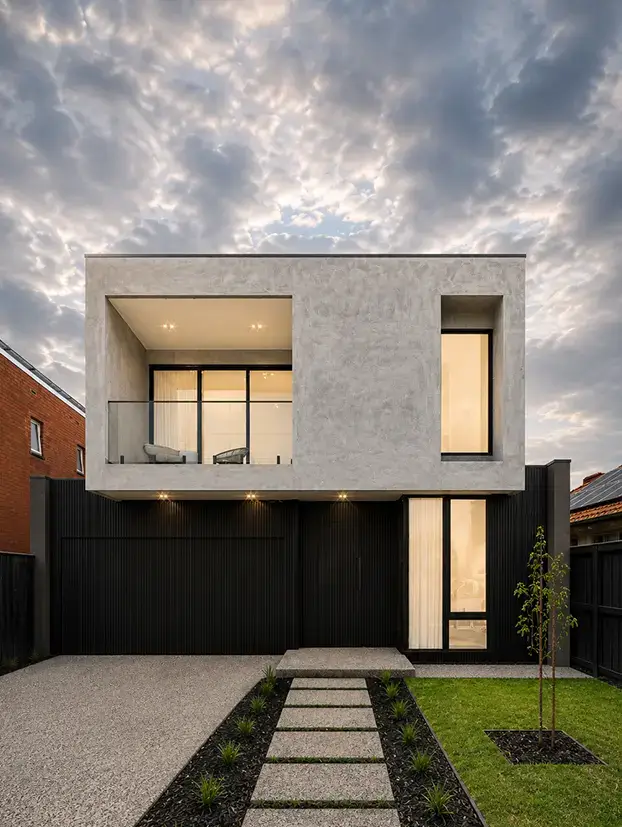







Kris Trajkovski is a licensed domestic builder unlimited (CDB-U) and the director of Trajcon Builders & Developers. Specialising in luxury custom homes, dual-occupancy builds, and multi-unit residential developments across Melbourne, Kris brings an unwavering commitment to transparent pricing, structural integrity, and architectural craft.